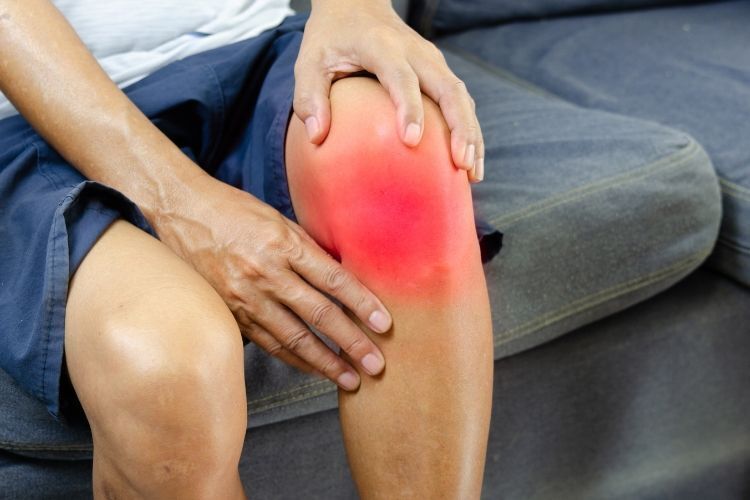
The ache usually shows up around mile three. Or on the stairs at work, or when you stand up after a long drive. It sits around the kneecap, it’s hard to pin down, and it doesn’t clear up after a day or two of rest. That’s the typical story with runner’s knee, and it’s one of the most common knee problems we see at Evolution Spine and Sport in Evanston. A sports chiropractor looks at how your whole body moves, not only the sore spot, which is why this kind of care can help the pain settle and stay settled. Here is how it works, what you can do at home, and when to get the knee checked first.
What Is Runner’s Knee, and What Does It Feel Like?
Runner’s knee is the everyday name for patellofemoral pain syndrome, which means pain in the soft tissue and bone around the kneecap. You don’t have to be a runner to get it. Cyclists, hikers, and anyone who squats or climbs a lot of stairs can develop it too.
Runner’s Knee Symptoms to Watch For
These symptoms tend to creep in rather than arrive all at once. Mayo Clinic lists a dull ache at the front of the knee, pain on stairs, pain with running, jumping, squatting, or kneeling, soreness after sitting with your knees bent, and a popping or crackling feeling.
Common Causes of Runner’s Knee Pain
Your kneecap is meant to glide in a groove at the end of your thighbone. When it tracks slightly off line, the tissue underneath gets irritated. According to AAOS OrthoInfo, overuse and sudden jumps in training are frequent triggers, along with weak quadriceps or hip muscles and alignment problems between the hips and ankles.
In practice, that looks like a runner who added two long runs a week at once, or one whose knee drifts inward on every landing because the hip isn’t pulling its weight.
Can a Chiropractor Help With Runner’s Knee?
Yes, as part of a plan that includes exercise and smarter training. A chiropractor can’t take the miles out of your legs, and no adjustment replaces strength work. What a sports chiropractor can do is find the reason your kneecap is getting overloaded and treat that reason directly. The knee is often just where the problem shows up. The cause usually sits at the hip, the ankle, or the foot.
Sports Chiropractor Assessment: Hips, Ankles, and Feet
The first visit is mostly detective work. We assess how you squat, step down, balance on one leg, and run, then test how freely your hips and ankles move. The Hospital for Special Surgery describes the same approach, an exam that looks for imbalances from the feet up, including flat feet, hip rotation, and tight hip flexors or IT band. A stiff ankle or a weak hip can quietly add load to the kneecap with every stride.
Hands-On Treatment for Runner’s Knee
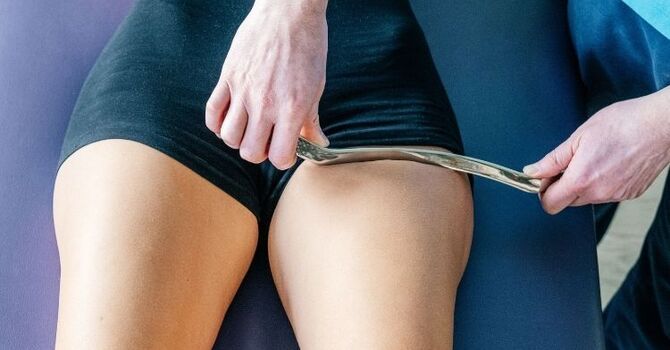
Treatment depends on what the assessment finds. Joint mobilization can restore motion in a stiff ankle, hip, or low back so the knee stops absorbing forces meant for other joints. Active Release Technique targets tight, overworked muscle around the hip, thigh, and calf, which can pull the kneecap off its path.
Some runners also try kinesiology taping. Plenty of people search for KT tape for runner’s knee, and some find it helps them stay comfortable while they build strength. Think of it as a support for the work, because the strengthening is what does the fixing.
Runner’s Knee Exercises and Stretches You Can Do at Home
Treatment in the clinic helps you feel better in the short term. The habits you build between visits are what keep the pain from coming back, and that is the philosophy behind our care. Exercises that build the hips and thighs carry most of the load, while gentle stretches keep tight muscles from tugging on the kneecap. A starting point:
- Side-lying leg raises and clamshells for the hip muscles that stop your knee collapsing inward
- Glute bridges to wake up the back of the hip
- Slow step-downs from a low step, keeping your knee in line with your second toe
- Quad, hamstring, and calf stretches after a run, when the muscles are warm
If an exercise sharpens your pain, back off and tell us. We will adjust the plan to fit your knee.
Runner’s Knee Recovery Time and Returning to Running
Recovery time depends on how long the knee has been irritated, how much you run, and how consistently you do the home work. Many runners notice a clear difference within a few weeks. Full recovery can take a couple of months.
Most people don’t need to stop moving altogether. Swap some runs for cycling or swimming, keep any running at a level that stays pain-free, and build back gradually, adding distance before speed. A proper warm-up before every run helps too, and both Mayo Clinic and AAOS recommend warming up and increasing training slowly.
Running Habits That Keep Knee Pain From Coming Back
Once the kneecap calms down, a few habits protect it. Retire running shoes that have gone flat or worn unevenly, and choose a pair that fits well and suits the way you run. Add two short strength sessions to your week using the hip and thigh exercises above, and keep them as a standing part of your routine. Take an easier week every so often, because your body adapts during recovery rather than during the run itself.
Pay attention to the first twinge. A knee that nags for two runs in a row deserves a lighter third run and a call to us before it turns into a season-long problem.
When Knee Pain Needs a Different Kind of Care
Get checked promptly if your knee swells noticeably, locks or catches, gives way under your weight, or hurts after a fall or twist. Those signs can point to a ligament or meniscus problem rather than patellofemoral pain, and they may call for imaging or a referral. If your pain hasn’t improved after a few days, or the knee is getting harder to bend, book a visit. We will tell you straight if you need care beyond ours.
Get Help From a Running Chiropractor in Evanston
If runner’s knee keeps cutting your runs short, the team at Evolution Spine and Sport can find what is overloading your kneecap, treat it, and give you a plan you can follow on your own. Read more about running therapy in Evanston, then schedule a call with Dr. Travis to get your miles back.